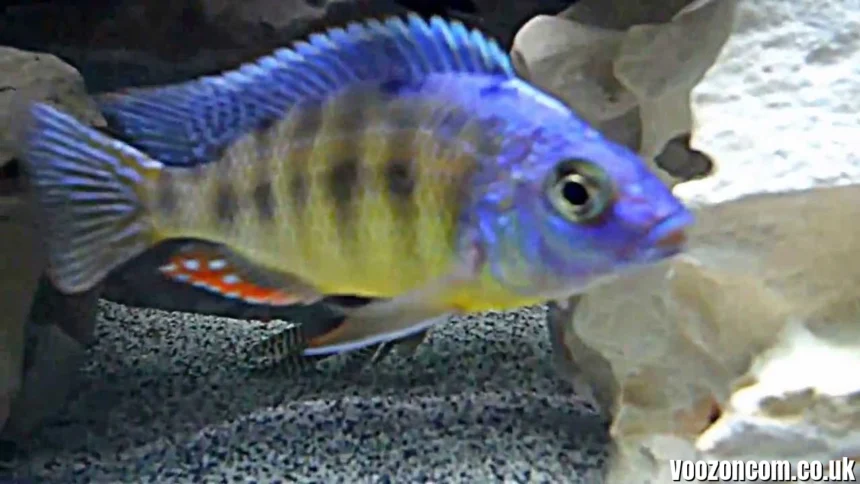
Among dedicated African cichlid enthusiasts in the UK, the search term “hertae” has become increasingly common. It refers to one of the most unusual and sought-after fish in the Lake Malawi haplochromine cichlid hobby — Protomelas sp. ‘hertae’, often called the Hertae Hap or Thick-Lip Hap.
This rare cichlid stands out immediately because of its distinctive cushion-like lips, a feature that evolved in the wild to help the fish extract tiny invertebrates from rock crevices. In aquariums, those oversized lips give the species an unmistakable appearance that many aquarists find fascinating.
Despite being known in the aquarium trade for decades, Protomelas sp. ‘hertae’ is still technically an undescribed species. That means it has not yet been formally classified with a scientific species name, which is why hobbyists sometimes label it under different names such as:
- Eclectochromis sp. ‘hertae’
- Protomelas sp. ‘thick lip’
- Hertae Hap Cichlid
In the UK aquarium community, the fish has developed a reputation as a “holy grail” species for experienced Malawi keepers. Its combination of subtle colours, interesting behaviour, and rare availability makes it especially appealing to aquarists who already maintain large Malawi-style aquariums.
This complete UK Hertae Cichlid Guide for 2026 explains everything you need to know, including origin, tank requirements, water chemistry, feeding, compatibility, breeding, and current UK prices.
What “Hertae” Actually Is
The Hertae Hap Cichlid originates from Lake Malawi in East Africa, one of the world’s most biodiverse freshwater ecosystems. Specifically, the species is found around rocky islands including:
- Maleri Island
- Thumbi West
- Likoma Island
- Chizumulu Island
These fish typically inhabit the sand-rock transition zone at depths of 5–15 metres. This environment is filled with rocky crevices and small caves, which explains the evolution of their distinctively thick lips.
The Unique Thick-Lip Adaptation
The Hertae’s lips function like a biological gasket, allowing the fish to press its mouth tightly against rock surfaces. This creates suction that pulls tiny invertebrates and crustaceans from cracks that other fish cannot access.
In the aquarium hobby, this trait gives the fish a distinctive “puffy lip” look, which makes it immediately recognisable among Malawi species.
Colouration and Appearance
Adult males develop subtle but striking colours, particularly when mature and dominant in a tank.
Typical male coloration includes:
- Electric blue body tones
- Red or orange scale highlights
- Yellow belly and anal fin
- Dorsal fin with red, white, and black edging
Females are far less colourful, usually displaying silvery-grey bodies with faint markings.
The species’ understated colours mean it is often appreciated most by serious aquarists, rather than beginners looking for brightly coloured mbuna.
Size, Lifespan and Growth
The Hertae Hap is considered a medium-to-large Lake Malawi cichlid, particularly when compared with smaller mbuna species.
Typical Size in Aquariums
| Fish | Average Size |
|---|---|
| Adult Male | Up to 20 cm (8 inches) |
| Adult Female | 17–18 cm (slightly smaller) |
In the wild, the species usually reaches around 17 cm, but aquarium conditions with plentiful food can allow males to grow slightly larger.
Growth Rate
Most fish sold in the UK are juveniles around 5–6 cm, which grow quickly if fed properly and maintained in stable water conditions.
Within 12–18 months, males usually reach full colour and begin displaying territorial behaviour.
Lifespan
With proper care, the Hertae can live 8–12 years, making it a long-term commitment similar to many other Malawi cichlid species.
Tank Setup & Requirements in the UK
Providing the correct aquarium environment is critical for keeping Hertae healthy and displaying natural behaviour.
Minimum Tank Size
For a proper harem group, the recommended aquarium size is:
Minimum tank length: 200 cm (6.5 feet)
This allows sufficient swimming space while also providing room for rock structures and territories.
Keeping Hertae in smaller tanks often leads to:
- Increased aggression
- Stress
- Poor colouration
Recommended Tank Layout
A successful Malawi-style aquarium setup typically includes:
- Deep sand substrate (2–3 inches)
- Large rock piles and caves
- Open swimming space in the centre
Rocks should be arranged to break lines of sight, which helps reduce territorial aggression between males.
Filtration Requirements
Lake Malawi cichlids are heavy waste producers, meaning strong filtration is essential.
Most UK aquarists aim for 10× tank volume turnover per hour.
For example:
| Tank Size | Recommended Filtration |
|---|---|
| 400 litres | 4,000 L/h turnover |
External canister filters or large sump systems are commonly used in serious cichlid setups.
Lighting
Unlike planted aquariums, Hertae tanks do not require intense lighting. Moderate LED lighting is sufficient to highlight fish colours while keeping algae growth manageable.
Water Parameters: The UK Reality
Maintaining the correct water chemistry is one of the biggest challenges for British aquarists keeping Lake Malawi fish.
Ideal Water Conditions
| Parameter | Recommended Range |
|---|---|
| Temperature | 22–26°C |
| pH | 7.5–8.5 |
| Hardness (GH) | 12–16°dGH |
These conditions replicate the hard, alkaline water of Lake Malawi.
UK Tap Water Issues
Many areas of the UK have soft or slightly acidic tap water, which is unsuitable for Malawi species.
To correct this, many hobbyists use:
- RO (reverse osmosis) water
- Rift Valley mineral salts
- Malawi buffer products
Popular products include:
- Seachem Cichlid Lake Salt
- Seachem Malawi/Victoria Buffer
Weekly 30–40% water changes are essential to maintain stable chemistry and prevent nitrate buildup.
Diet, Behaviour & Compatibility
Feeding the Hertae
In the wild, Hertae are crevice-feeding carnivores, eating small crustaceans and insects.
In aquariums, they thrive on a varied diet including:
- High-quality cichlid pellets (Hikari, Northfin, New Life Spectrum)
- Frozen mysis shrimp
- Bloodworms
- Brine shrimp
Small portions two to three times per day replicate their natural grazing habits.
Adding occasional spirulina-based foods helps support digestion.
Temperament
Hertae are considered moderately aggressive, especially males establishing territory.
However, they are generally less aggressive than mbuna cichlids.
The best social structure is a harem group:
1 male with 2–4 females
This spreads aggression and reduces stress for individual fish.
Compatible Tankmates
Suitable companions include other peaceful haplochromine cichlids, such as:
- Red Empress (Protomelas taeniolatus)
- Copadichromis species
- Nyererei cichlids
Avoid keeping them with similar thick-lip species, such as:
- Protomelas ornatus
- Mbenji Thick Lip
Mixing similar species risks hybridisation, which is strongly discouraged in the hobby.
Breeding Hertae in UK Aquariums
Like many Lake Malawi species, the Hertae is a maternal mouthbrooder.
Spawning Behaviour
During breeding:
- The male prepares a sand spawning site.
- The female lays eggs and immediately collects them in her mouth.
- Fertilisation occurs as she picks up sperm released by the male.
Brooding Period
The female carries eggs and fry in her mouth for approximately:
21 days
During this time, she usually refuses food.
Raising Fry
Hertae fry are relatively large and easy to raise.
Typical starter foods include:
- Crushed cichlid flakes
- Baby brine shrimp
- Micro pellets
Many UK hobbyists successfully raise fry in 200-litre breeding tanks with sandy substrate.
UK Price, Availability & Where to Buy
The Hertae is still considered rare in the UK aquarium trade, though occasional shipments appear through specialist importers.
Typical Prices (2026)
| Size | Price |
|---|---|
| Juveniles (5–6 cm) | £6–£12 |
| Sub-adults (8–10 cm) | £25–£45 |
| Adult breeding pairs | £80–£150+ |
Stock tends to sell out quickly, especially when reputable breeders list them.
Where to Find Hertae in the UK
Some reliable sources include:
- Sims Tropical Fish Business
- Aquatropics UK
- Aquarist Classifieds listings
- UK Malawi Cichlid Facebook groups
Because imported fish can carry disease, always quarantine new arrivals for 4–6 weeks before introducing them to your main aquarium.
Conclusion
The Hertae Hap Cichlid (Protomelas sp. ‘hertae’) is one of the most fascinating and unusual species available to UK Lake Malawi enthusiasts. Its distinctive thick lips, subtle male coloration, and intriguing feeding behaviour make it a standout addition to large African cichlid aquariums.
However, it is not a beginner fish. Keeping Hertae successfully requires:
- Large aquariums (200 cm+)
- Hard, alkaline water chemistry
- Careful tankmate selection
- Consistent maintenance and filtration
For experienced hobbyists willing to provide the correct setup, this species rewards keepers with natural behaviour, interesting breeding habits, and a truly unique appearance.
When the tank size and water conditions are right, the Hertae becomes one of the most impressive haplochromine cichlids you can keep in the UK aquarium hobby.
FAQs
1. How big does the Hertae cichlid grow?
Adult males can reach around 20 cm (8 inches) in aquariums, while females are slightly smaller.
2. Is Protomelas sp. ‘hertae’ suitable for beginners?
No. This species requires large tanks, specific water chemistry, and experience with African cichlids.
3. What do Hertae cichlids eat?
They thrive on high-quality cichlid pellets, mysis shrimp, bloodworms, and brine shrimp, fed in small portions several times per day.
4. Can Hertae live with mbuna cichlids?
It is generally not recommended. Mbuna are often too aggressive and may stress Hertae.
5. Are Hertae cichlids rare in the UK?
Yes. They appear occasionally in specialist shops or importer shipments, but availability is limited and they often sell out quickly.