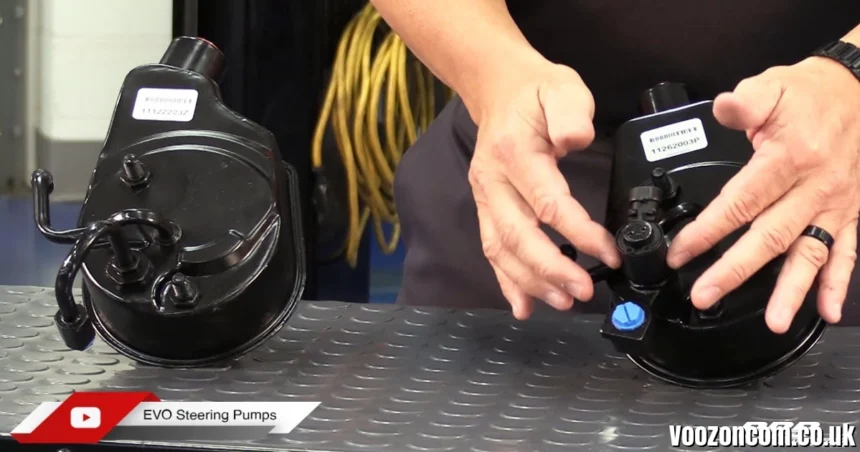
Electronic Variable Orifice (EVO) in the UK, you’re likely dealing with automotive steering systems, industrial gas flow control, HVAC balancing, or high-performance engineering applications. In 2026, EVO technology continues to play a critical role across multiple sectors due to its ability to dynamically regulate fluid or gas flow with electronic precision.
Unlike traditional fixed orifice systems, an EVO adapts in real time. It adjusts the size of an opening electronically, allowing for precise control based on inputs such as vehicle speed, pressure, temperature, or digital control signals.
This comprehensive UK-focused guide explains:
-
What an Electronic Variable Orifice is
-
How it works
-
Its history and development
-
Key components
-
Automotive and industrial applications
-
Diagnostics, maintenance, and UK compliance considerations
Let’s begin.
What Is an Electronic Variable Orifice (EVO)?
An Electronic Variable Orifice (EVO) is a device designed to electronically adjust the size of a flow opening to regulate fluids or gases within a system. The key distinction between an EVO and a standard orifice is adaptability.
A fixed orifice offers one flow rate. An EVO offers variable flow control, adjusting dynamically in response to real-time data.
Electronic control is typically achieved through:
- Solenoids
- Stepper motors
- Rotary actuators
- Pulse-width modulation (PWM) signals
- Analogue control signals (0–5V, 4–20mA)
By modulating the orifice opening, EVO systems improve:
- Energy efficiency
- System precision
- Operational safety
- Performance stability
In the UK, EVO technology is widely used in:
- Automotive power steering systems
- Industrial gas regulation
- HVAC flow balancing
- Nitrous oxide performance systems
- Process engineering and vacuum control
Many EVO products comply with BS EN standards and the Pressure Equipment Directive (PED) 2014/68/EU, ensuring safe integration into fluid systems.
History and Development of EVO Technology
Automotive Origins (Late 1980s–1990s)
The term EVO became widely recognised when General Motors (GM) introduced it in the late 1980s and early 1990s for variable-assist power steering systems.
Traditional hydraulic power steering systems provided constant assistance regardless of speed. This created a problem:
- Steering felt too light at motorway speeds
- Steering felt heavy during parking manoeuvres
GM’s EVO system adjusted steering assist based on vehicle speed. At low speeds, the orifice opened wider to provide more assist. At high speeds, it restricted flow to firm up steering response.
This marked a major advancement in vehicle handling and safety.
Industrial Expansion (1990s–2000s)
With advancements in digital control systems and solenoid precision, EVO concepts expanded into:
- Proportional gas valves
- Industrial flow controllers
- Electronic manometry
- Process automation systems
Companies such as Omega Engineering and Edwards Datametrics developed electronically controlled flow devices for precise gas handling and vacuum systems.
Modern Innovations (2010s–2026)
Recent developments include:
- Rotary Electronic Variable Orifice (REVO) systems by Wizards of NOS (UK-based)
- Closed-loop feedback systems with ±5% repeatability
- Response times as fast as 40–100 milliseconds
- Fully programmable digital integration
In the UK, EVO technology is now integrated across automotive, HVAC, manufacturing, and performance motorsport industries.
How an Electronic Variable Orifice Works
Understanding EVO operation requires breaking down its core function.
Core Operating Mechanism
An EVO system consists of:
- Sensor Inputs – These detect variables such as speed, pressure, temperature, or wheel position.
- Control Module – Processes data and sends output signals.
- Actuator/Solenoid – Receives electronic commands.
- Adjustable Orifice – Mechanically changes aperture size.
When the control module detects a condition change (e.g., increased vehicle speed), it sends a PWM signal to the actuator. The actuator moves a valve pin or rotary disc, adjusting the opening size.
This changes:
- Flow rate
- Pressure levels
- System resistance
In closed-loop systems, sensors continuously provide feedback, ensuring precision regulation.
Types of EVO Systems
- Hydraulic EVO – Common in automotive power steering
- Pneumatic EVO – Used for gas flow systems
- Rotary EVO (REVO) – Used in performance nitrous systems
- Proportional solenoid valves – Used in industrial applications
The result is seamless, real-time adaptation without mechanical adjustment.
Key Components of an EVO System
Every Electronic Variable Orifice system includes several essential parts:
1. Solenoid or Actuator
Creates controlled movement using electromagnetic force or motor-driven rotation.
2. Control Module
Processes sensor data and sends output signals (PWM or analogue voltage).
3. Sensors
Common examples include:
- Vehicle speed sensors
- Steering wheel angle sensors
- Pressure transducers
- Temperature probes
4. Adjustable Valve or Orifice Plate
Physically changes the aperture size.
5. Electrical System
Typically operates at:
- 12–24 VDC
- 0–5V or 0–10V analogue control
- 4–20mA industrial signals
Precision engineering ensures minimal wear and long service life.
Applications of Electronic Variable Orifice Systems (UK 2026)
EVO systems serve multiple industries in the UK:
| Application | Description | UK Context |
|---|---|---|
| Automotive Power Steering | Variable assist based on vehicle speed | Common in GM imports & Infiniti models; parts via Euro Car Parts |
| Industrial Gas Control | Proportional flow regulation | Omega PV100 Series (~£759+) |
| Nitrous Performance Systems | Progressive, pulse-free nitrous control | Wizards of NOS REVO (0–2000 HP) |
| HVAC Flow Balancing | Variable orifice valves for heating/cooling | Jaymac ART28; up to 20 bar |
| Flow Measurement | Electronic manometry & orifice plate systems | Armfield C9-MKII (educational/industrial) |
| Vacuum Systems | Controlled solenoid flow | Edwards Datametrics DM20 |
Performance Motorsport Example
The Wizards of NOS REVO system allows progressive nitrous delivery without pulsing, making it ideal for high-powered drag racing vehicles and Pro Mod motorcycles in the UK.
Diagnostics, Maintenance & UK Compliance
Common EVO Fault Symptoms
In automotive systems:
- Heavy steering at low speeds (valve stuck closed)
- Overly light steering at high speeds (stuck open)
- Dashboard fault codes (DTCs via OBD-II)
In industrial systems:
- Inconsistent flow rates
- Pressure fluctuations
- Signal interruptions
Typical Causes
- Solenoid coil failure
- Damaged wiring
- Debris blocking orifice
- Sensor malfunction
- PWM signal irregularities
Diagnostic Steps
- Check for fault codes (OBD-II in vehicles)
- Test voltage output and PWM signal
- Inspect wiring harness
- Flush hydraulic systems
- Verify sensor readings
For GM vehicles, some users install OEM bypass kits (#19168825) to disable EVO functionality if required.
UK Compliance & Safety
In the UK, EVO systems must adhere to:
- UKCA marking requirements (post-Brexit)
- Pressure Equipment Directive (PED) 2014/68/EU
- Relevant BS EN standards
Professional installation is recommended for automotive systems to prevent warranty issues.
Conclusion
The Electronic Variable Orifice (EVO) represents a significant advancement in fluid and gas control technology. Originally developed for automotive steering systems, it now plays a vital role across UK industries including manufacturing, HVAC, vacuum systems, and motorsport performance.
By enabling real-time electronic flow regulation, EVO systems enhance:
- Precision
- Safety
- Efficiency
- Performance
In 2026, whether you’re servicing a GM steering pump, designing a gas flow system, or building a high-performance nitrous setup, EVO technology remains an essential and versatile engineering solution.
Frequently Asked Questions (FAQs)
1. What does EVO stand for?
EVO stands for Electronic Variable Orifice.
2. What is the main purpose of an EVO?
To electronically adjust flow rates of fluids or gases for improved efficiency and control.
3. Are EVO systems common in UK vehicles?
Yes, particularly in imported GM and Infiniti models with variable assist steering.
4. How much does an industrial EVO valve cost in the UK?
Industrial proportional valves such as the Omega PV100 typically start around £759–£820.
5. Is professional installation required?
For automotive systems, professional installation is strongly recommended to ensure safety and compliance.