The internet has transformed how people consume news and information, but many major publications now place articles behind digital paywalls. Websites like The New York Times, The Washington Post, Financial Times, and many magazine platforms require paid subscriptions for full access. This trend has created a demand for tools that allow users to view restricted content without paying, and one such tool often discussed online is PaywallBypass.net.
PaywallBypass.net is a web-based tool designed to help users access articles that are normally hidden behind metered or soft paywalls. Instead of hacking into websites or bypassing login systems directly, the tool attempts to display content that already exists in publicly accessible formats such as cached pages, indexed versions, or simplified article views. Users simply paste the URL of a restricted article into the tool, and it tries to retrieve an accessible version of the content.
While this concept sounds simple, the effectiveness and legality of these tools can be complex topics. Many publishers actively block such services, and the technology used by modern paywalls has become more advanced over time. For readers in the United States and around the world, understanding how tools like PaywallBypass.net work—and their risks—is important before using them.
This guide explains how PaywallBypass.net works, its features, limitations, legal considerations, and alternatives so you can better understand the broader landscape of online paywall access.
What Is PaywallBypass.net and How Does It Work?
PaywallBypass.net is an online service designed to retrieve versions of articles that are normally restricted by subscription paywalls. Its core idea is not to hack or break website security systems but instead to access existing public copies of content that may be available through search engines or archived snapshots.
The typical process is simple. A user copies the URL of a paywalled article and pastes it into the PaywallBypass interface. The tool then attempts to load the article using alternative methods. These methods may include retrieving cached pages from search engines, accessing archived versions of the page, or displaying simplified text-only versions of the content.
Many news websites use “soft” or metered paywalls, which allow readers to view a limited number of free articles each month before requiring a subscription. These systems often rely on browser cookies or scripts to track how many articles a user has opened. Because these restrictions are not always embedded directly into the article itself, tools like PaywallBypass.net may be able to display a copy that does not include the paywall code.
However, it is important to understand that not all paywalls are the same. Some publishers use advanced systems known as hard paywalls, which require a verified account login before the content is even delivered to the browser. In these cases, PaywallBypass.net typically cannot retrieve the article because the content is never publicly accessible in the first place.
As a result, the success rate of the tool depends heavily on the publisher’s technical setup. Some articles may load perfectly, while others will fail completely or display incomplete content.
Key Features of PaywallBypass.net
One reason why PaywallBypass.net gained attention among internet users is its simplicity. Unlike many browser-based workarounds, the tool does not require installing additional software or modifying browser settings.
1. No Installation Required
One of the main advantages is that PaywallBypass.net is entirely web-based. Users do not need to download extensions, install scripts, or change browser configurations. Instead, they simply visit the website and paste a link to the article they want to access.
This convenience makes it accessible to people who may not be familiar with more complex tools like developer console modifications or browser plugins.
2. URL-Based Content Retrieval
The service works by accepting a direct article URL. Once the link is submitted, the system attempts to load the content from alternative sources such as cached copies or simplified renderings of the page.
In many cases, the retrieved page removes elements like advertisements, pop-ups, and paywall scripts, leaving only the core article text and images.
3. Focus on Soft Paywalls
PaywallBypass.net primarily works against soft paywalls, which include:
- Metered article limits
- Script-based restrictions
- Overlay paywalls
These paywalls often rely on JavaScript to block access after a certain number of views, making them easier to circumvent if a cached or simplified version of the page exists.
Hard paywalls—such as those used by some financial publications—are usually impossible for the tool to bypass.
Limitations and Reliability Issues
Although PaywallBypass.net can sometimes retrieve paywalled articles, its effectiveness is far from guaranteed. Many publishers actively update their websites to prevent these types of access methods.
One major limitation is that the tool relies heavily on external sources like search engine caches. If the article has not been cached or archived, there may be no alternative version available. This means the tool will simply fail to display the content.
Another issue is that retrieved pages may be incomplete or outdated. Cached versions might not include the latest edits, images, or formatting. In some cases, only the text portion of the article appears, making the reading experience less reliable than the original website.
Publishers also continuously improve their paywall systems. Modern digital publishing platforms increasingly use dynamic content loading, where the article is delivered only after a verified subscription check. This method prevents caching services from capturing a full version of the page.
Because of these technical changes, many paywall bypass tools gradually lose effectiveness over time. What works today may stop working tomorrow as publishers update their security measures.
Legal and Ethical Considerations in the United States
Using services like PaywallBypass.net raises important legal and ethical questions, particularly in countries such as the United States where digital copyright laws are well established.
From a strictly technical perspective, tools like PaywallBypass.net typically do not hack or break into protected systems. Instead, they access versions of content that are already publicly accessible through caches or indexing services. Because of this, the act itself is not always considered illegal.
However, accessing paywalled content without a subscription may violate a publisher’s terms of service. Websites often include contractual agreements that prohibit attempts to circumvent paywalls. If a user is logged into an account while using such tools, the publisher could potentially suspend or ban the account.
There are also ethical considerations. Paywalls exist because many news organizations rely on subscription revenue to support journalism, investigative reporting, and editorial staff. When users bypass paywalls, it can reduce the financial support that media outlets depend on to operate.
In addition, some bypass websites may pose security risks. Since they often operate outside mainstream platforms, users could encounter malware, tracking scripts, or deceptive advertisements. For this reason, cybersecurity experts generally recommend caution when using unofficial web tools.
Alternatives to PaywallBypass.net
Because of the legal and reliability concerns surrounding bypass tools, many users look for safer alternatives to access restricted content.
Several similar services and techniques exist, although their availability often changes as publishers block them.
| Tool or Method | Description |
|---|---|
| Archive.is / Archive.today | Creates snapshots of web pages that may include article content. |
| RemovePaywall.com | Another URL-based paywall viewing tool. |
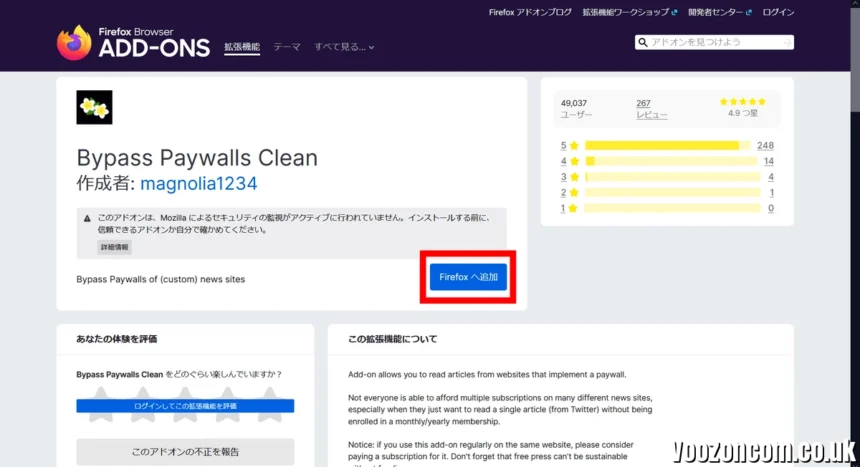
| Browser extensions | Some communities share extensions designed to bypass certain paywalls. |
| Library access | Many public libraries provide free digital access to newspapers and magazines. |
| Free trials | Publishers frequently offer limited-time subscriptions. |
A notable example is 12ft.io, a service that attempted to remove paywalls by displaying simplified versions of articles. However, many publishers blocked the service, and by 2025 it had become largely unusable due to legal pressure and technical countermeasures.
Because of these changes, tools that rely on bypassing paywalls often have short lifespans.
Future of Paywalls and Content Access
The ongoing battle between publishers and paywall bypass tools reflects a broader shift in the digital media economy. As advertising revenue declines, many news organizations have turned to subscription models to maintain financial stability.
At the same time, readers expect easy and affordable access to information online. This tension has led to the development of increasingly sophisticated paywall technologies. Some publishers now use AI-based user tracking, dynamic page rendering, and server-side authentication to prevent content from being cached or scraped.
Because of these advancements, bypass tools are becoming less effective each year. Instead, many experts predict that the future of online journalism will rely on hybrid access models, including:
- Freemium article systems
- Limited free monthly reads
- Bundled subscriptions
- Partnerships with universities and libraries
These approaches aim to balance open access with the need to financially support professional journalism.
Conclusion
PaywallBypass.net is one of many online tools designed to retrieve paywalled articles by accessing cached or publicly indexed versions of web pages. While it can sometimes work against soft paywalls, its reliability is inconsistent and many modern websites block it entirely.
Beyond technical limitations, the use of paywall bypass tools raises legal, ethical, and security concerns, especially in the United States where publishers actively protect their digital content. As a result, many experts recommend using legitimate alternatives such as library access, subscriptions, or free trials to read premium articles.
As digital publishing continues to evolve, paywalls and access tools will likely continue their technological arms race. Understanding how services like PaywallBypass.net operate helps readers make informed decisions about online information access and responsible content consumption.
FAQs
1. What is PaywallBypass.net used for?
It is a web-based tool designed to retrieve paywalled articles by accessing cached or publicly indexed versions of web pages.
2. Is PaywallBypass.net legal in the United States?
Using such tools is not clearly illegal, but it may violate website terms of service and could lead to account restrictions.
3. Does PaywallBypass.net work on all websites?
No. It generally works only on soft or metered paywalls and usually fails against hard paywalls requiring login authentication.
4. Are there risks to using paywall bypass tools?
Yes. Some websites may contain malware, tracking scripts, or unreliable content.
5. What are safer alternatives to bypassing paywalls?
Safer options include library subscriptions, free trials, publisher newsletters, and paid subscriptions that support journalism.